Shardeum HackSprint: 200+ Builders, 110 Projects in 3 Days
HackSprint brought together 200+ builders to create 110 real-world projects on Shardeum in 3 days. Explore key highlights, top builds, and...
HackSprint brought together 200+ builders to create 110 real-world projects on Shardeum in 3 days. Explore key highlights, top builds, and...
HackSprint was a fast-paced hackathon focused on building real-world utility applications on Shardeum, with strong participation from students at REVA University, Bengaluru.
Over 3 days (March 23–25):
Participants ranged from experienced developers to first-time builders, focused on shipping usable, on-chain products.
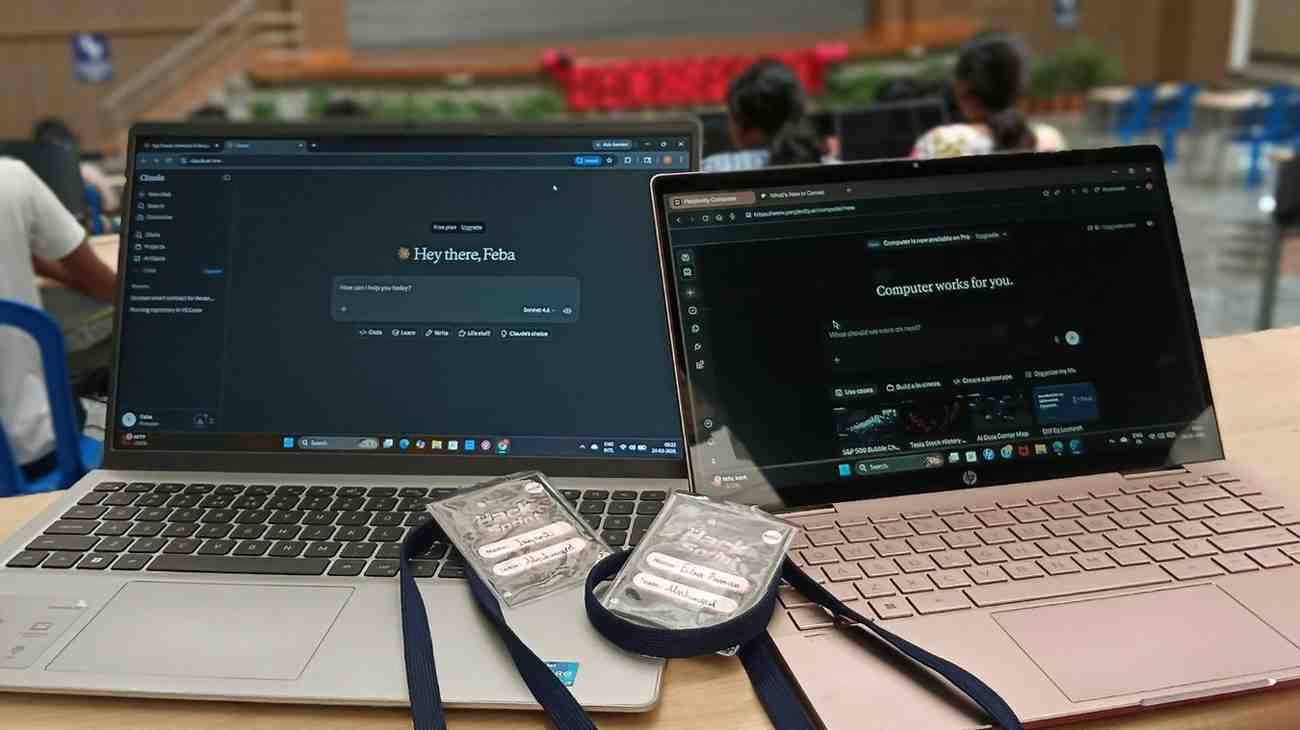
We’re at a point where builders have more access than ever before to tools, communities, and infrastructure.
The timing couldn’t be better:
HackSprint tapped into this momentum challenging builders to create solutions that don’t just exist, but actually matter.
We kicked things off with a focused onboarding session aligning everyone on the problem space, tooling, and expectations. This ensured even newcomers could get up to speed quickly and start building with confidence.
Clarity was key:
This phase set the tone: collaborative + driven.
This was where things got real.
For six hours straight, the room turned into a live product lab:
This wasn’t just code, it was product thinking under pressure, built on-chain.
Each team:
The range of ideas covered both developer tooling and user-facing applications.
After demos, teams had 48 hours to:
Submissions moved closer to usable products, not just prototypes.
Across 110 projects, clear patterns emerged:
The key shift:
Using frontier tools, builders focused less on technology with a great level of abstraction and more on how users interact, coordinate, and transact on-chain.
Participants also minted 100 NFTs as proof of participation.
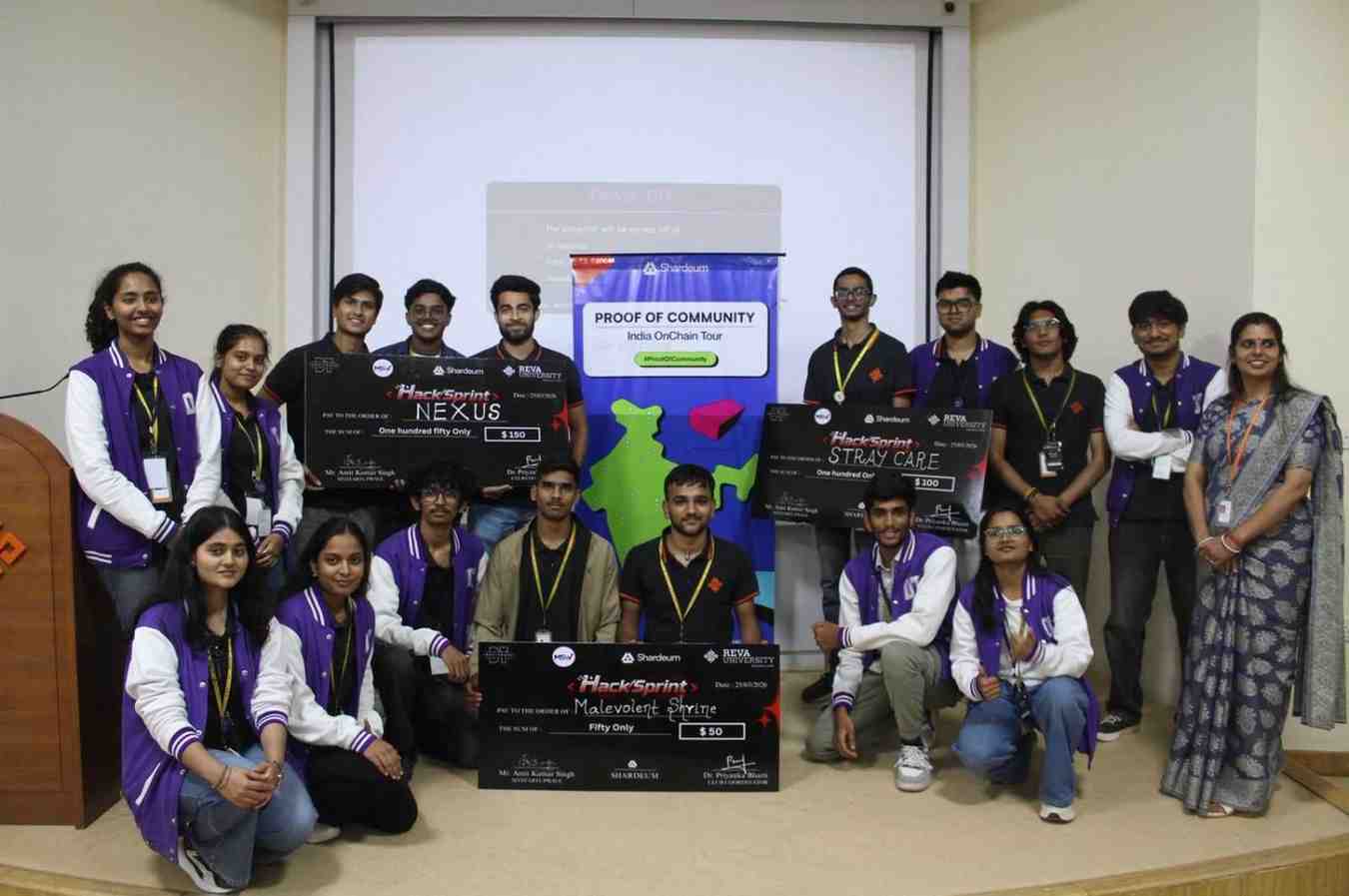
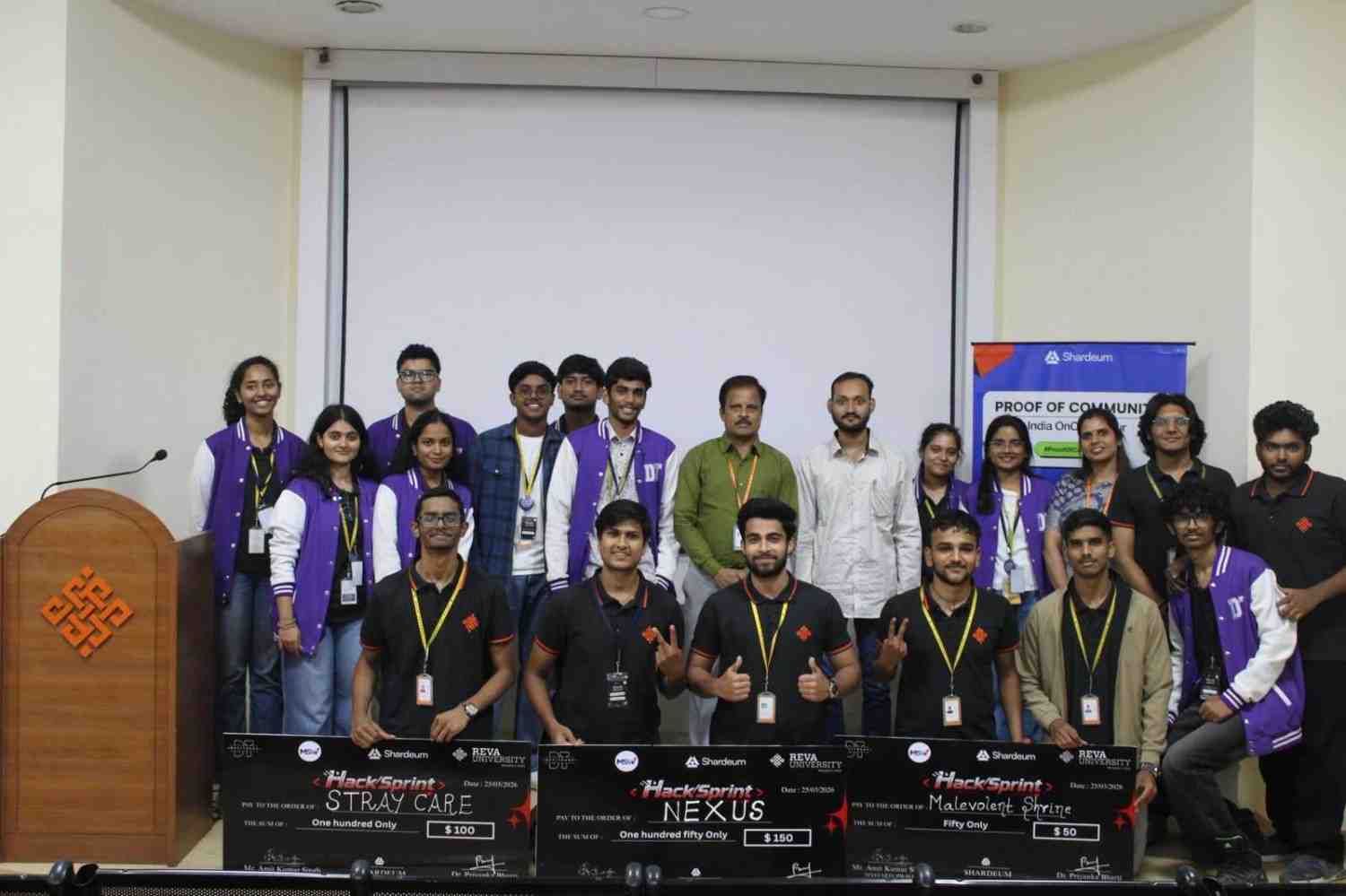
A prediction market where experts stake tokens on outcomes.
Reputation is built on-chain, and incorrect predictions have direct financial consequences.
Users can copy-stake based on trust.
A prediction platform with a focus on credibility tracking.
Users can create and participate in forecasts with transparent, trustless execution using smart contracts
An AI-based learning assistant focused on Sanskrit and Vedas.
Uses a retrieval-based (RAG) system to deliver accurate meanings, translations, and context.
The impact extended far beyond the hackathon itself.
Participants took to social platforms to share:
The common theme?
“This wasn’t just a hackathon, it was a builder experience.”
From first-time hackers gaining confidence to experienced devs discovering new ideas, HackSprint created momentum that will continue well beyond these 3 days.
Three factors stood out:
This balance of culture + code is what turns hackathons into ecosystems.
None of this would have been possible without:
Every contribution big or small helped shape what Shardeum’s HackSprint became.
If there’s one takeaway from the HackSprint, it’s this:
The future isn’t just imagined, it’s built.
And we’re just getting started.
Whether you’re a developer, designer, or just curious:
Because the next breakthrough?
It might just come from you.
Shardeum’s 2025 journey from testnet to mainnet - covering the token-only launch, EVM smart contracts, governance milestones, and community-led...
Learn how Humanode’s Biomapper brings privacy-preserving digital identity to Shardeum, helping developers build fair, human-verified...
Nagpur’s PayFi Hackathon saw 25+ builders deploy 10 projects on Shardeum, showcasing low-fee, scalable payments and onboarding first-time...